
Real estate markets rarely move in straight lines. Interest rates, demographic shifts and consumer behavior, all shape where demand and opportunity emerge.
Heading into our second quarter of 2026, the United States real estate landscape reflects a transition period. After several years of volatility, the market is settling into a more balanced environment, where disciplined strategies and long-term fundamentals matter more than short-term speculation.
At Novacrest, our investment philosophy focuses on identifying sectors and regions where underlying demand remains durable. Rather than chasing trends, we look for areas where population growth, infrastructure expansion and consumer behavior support long-term market drivers.
Here, we will expand on three primary trends shaping the 2026 market and how they inform the strategic areas where Novacrest is focusing its efforts.
One of the most powerful drivers of real estate performance is population movement.
Across the United States, migration patterns continue to reshape regional economies. Southern states in particular have experienced strong inbound migration as individuals and businesses relocate in search of affordability, economic opportunity and lifestyle advantages. 
Florida remains one of the most prominent examples of this trend and continues to attract new residents from across the country, supported by job growth, tax incentives, and long-term population expansion projections. 
Population growth is one of the clearest indicators of long-term housing demand. When more people move to a region, the need for housing, services and infrastructure expands alongside it.
This is one reason Novacrest continues to evaluate opportunities in growth-oriented markets like Florida, where demographic momentum supports long-term real estate fundamentals.
Even in a national market, real estate remains deeply local.
Economic growth, employment trends, infrastructure development, and housing affordability vary widely from one region to another. Because of this, location selection remains one of the most critical components of real estate strategy.
Another state Novacrest continues to evaluate closely is Indiana.
Midwestern markets such as Indiana, are gaining attention for a different reason: relative affordability and economic stability. As housing costs rise in major coastal markets, businesses and residents continue exploring regions where cost of living and operational expenses remain lower.
Markets with strong logistics infrastructure, stable employment bases, and expanding regional economies often present opportunities that may not receive the same attention as major coastal cities, but can offer a compelling foundation for growth.
While population growth drives demand, housing supply has struggled to keep pace.
In many areas nationwide, construction has slowed in recent years, while higher interest rates discourage existing homeowners from selling properties with historically low mortgage rates. This “lock-in effect” has constrained supply, and placed greater importance on new home construction and residential development.
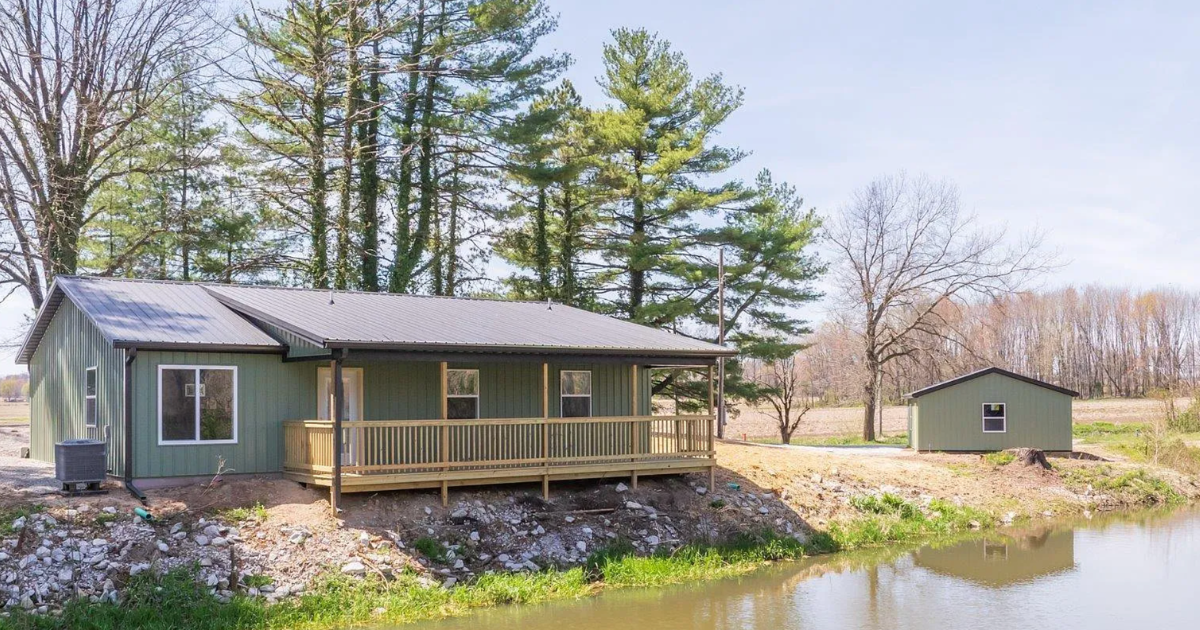
As a result, newly built residential housing has become an increasingly important segment of the market.
New construction allows developers to respond to evolving buyer preferences, incorporate modern building standards, and deliver housing in areas experiencing population growth.
At Novacrest, every opportunity begins with a disciplined evaluation of long-term demand drivers. Our approach prioritizes thoughtful acquisition and strategic construction planning, focusing on projects where demographic growth, economic expansion, and real-world demand create a strong foundation. By focusing on markets with strong demographic drivers, residential development can align with long-term housing demand, while providing short-cycle income cadence.
While residential real estate remains a leading sector in the market, 2026 has also seen growing interest in alternative real estate segments.
Industry research indicates investors are increasingly exploring niche property types that serve essential consumer needs or operate within stable service industries.
One sector that continues to attract attention is the express car wash industry.
In recent years, the U.S. car wash services market has grown steadily, supported by rising vehicle ownership, subscription-based service models and the convenience of automated facilities. The market is projected to grow significantly over the next decade, reflecting consistent consumer demand. 
Express tunnel formats in particular have gained traction, because they allow operators to serve a high volume of customers efficiently while maintaining predictable operating models. 
At Novacrest, this type of operational real estate, where underlying property supports an essential service, represents one area of ongoing interest within our broader real estate strategy.
The real estate cycle has always rewarded disciplined investors.
While market headlines often focus on short-term volatility (interest rates, price fluctuations, or transaction volume), long-term success in real estate has historically been driven by a few factors:
At Novacrest, our strategy centers on identifying opportunities where these fundamentals align, including areas such as:
By focusing on sectors and locations supported by long-term demand trends, we approach real estate investing with a disciplined, research-driven perspective.
The 2026 real estate environment is defined less by speculation, and more by strategy.
Investors are increasingly paying attention to economic drivers: demographic growth, consumer demand, and sectors that provide essential services. In many ways, this shift represents a return to the principles that have historically guided successful real estate investment.
Novacrest continues to evaluate opportunities through this lens, seeking areas where population growth, infrastructure development, and long-term demand create the foundation for sustainable investment strategies.
As the market evolves, the market drivers remain the same: thoughtful strategy, careful research and a long-term perspective.
Real estate markets rarely move in straight lines. Interest rates, demographic shifts and consumer behavior, all shape where demand and opportunity emerge.
Heading into our second quarter of 2026, the United States real estate landscape reflects a transition period. After several years of volatility, the market is settling into a more balanced environment, where disciplined strategies and long-term fundamentals matter more than short-term speculation.
At Novacrest, our investment philosophy focuses on identifying sectors and regions where underlying demand remains durable. Rather than chasing trends, we look for areas where population growth, infrastructure expansion and consumer behavior support long-term market drivers.
Here, we will expand on three primary trends shaping the 2026 market and how they inform the strategic areas where Novacrest is focusing its efforts.
One of the most powerful drivers of real estate performance is population movement.
Across the United States, migration patterns continue to reshape regional economies. Southern states in particular have experienced strong inbound migration as individuals and businesses relocate in search of affordability, economic opportunity and lifestyle advantages. 
Florida remains one of the most prominent examples of this trend and continues to attract new residents from across the country, supported by job growth, tax incentives, and long-term population expansion projections. 
Population growth is one of the clearest indicators of long-term housing demand. When more people move to a region, the need for housing, services and infrastructure expands alongside it.
This is one reason Novacrest continues to evaluate opportunities in growth-oriented markets like Florida, where demographic momentum supports long-term real estate fundamentals.
Even in a national market, real estate remains deeply local.
Economic growth, employment trends, infrastructure development, and housing affordability vary widely from one region to another. Because of this, location selection remains one of the most critical components of real estate strategy.
Another state Novacrest continues to evaluate closely is Indiana.
Midwestern markets such as Indiana, are gaining attention for a different reason: relative affordability and economic stability. As housing costs rise in major coastal markets, businesses and residents continue exploring regions where cost of living and operational expenses remain lower.
Markets with strong logistics infrastructure, stable employment bases, and expanding regional economies often present opportunities that may not receive the same attention as major coastal cities, but can offer a compelling foundation for growth.
While population growth drives demand, housing supply has struggled to keep pace.
In many areas nationwide, construction has slowed in recent years, while higher interest rates discourage existing homeowners from selling properties with historically low mortgage rates. This “lock-in effect” has constrained supply, and placed greater importance on new home construction and residential development.
As a result, newly built residential housing has become an increasingly important segment of the market.
New construction allows developers to respond to evolving buyer preferences, incorporate modern building standards, and deliver housing in areas experiencing population growth.
At Novacrest, every opportunity begins with a disciplined evaluation of long-term demand drivers. Our approach prioritizes thoughtful acquisition and strategic construction planning, focusing on projects where demographic growth, economic expansion, and real-world demand create a strong foundation. By focusing on markets with strong demographic drivers, residential development can align with long-term housing demand, while providing short-cycle income cadence.
While residential real estate remains a leading sector in the market, 2026 has also seen growing interest in alternative real estate segments.
Industry research indicates investors are increasingly exploring niche property types that serve essential consumer needs or operate within stable service industries.
One sector that continues to attract attention is the express car wash industry.
In recent years, the U.S. car wash services market has grown steadily, supported by rising vehicle ownership, subscription-based service models and the convenience of automated facilities. The market is projected to grow significantly over the next decade, reflecting consistent consumer demand. 
Express tunnel formats in particular have gained traction, because they allow operators to serve a high volume of customers efficiently while maintaining predictable operating models. 
At Novacrest, this type of operational real estate, where underlying property supports an essential service, represents one area of ongoing interest within our broader real estate strategy.
The real estate cycle has always rewarded disciplined investors.
While market headlines often focus on short-term volatility (interest rates, price fluctuations, or transaction volume), long-term success in real estate has historically been driven by a few factors:
At Novacrest, our strategy centers on identifying opportunities where these fundamentals align, including areas such as:
By focusing on sectors and locations supported by long-term demand trends, we approach real estate investing with a disciplined, research-driven perspective.
The 2026 real estate environment is defined less by speculation, and more by strategy.
Investors are increasingly paying attention to economic drivers: demographic growth, consumer demand, and sectors that provide essential services. In many ways, this shift represents a return to the principles that have historically guided successful real estate investment.
Novacrest continues to evaluate opportunities through this lens, seeking areas where population growth, infrastructure development, and long-term demand create the foundation for sustainable investment strategies.
As the market evolves, the market drivers remain the same: thoughtful strategy, careful research and a long-term perspective.

Sign up for our latest insights and firm announcements.
